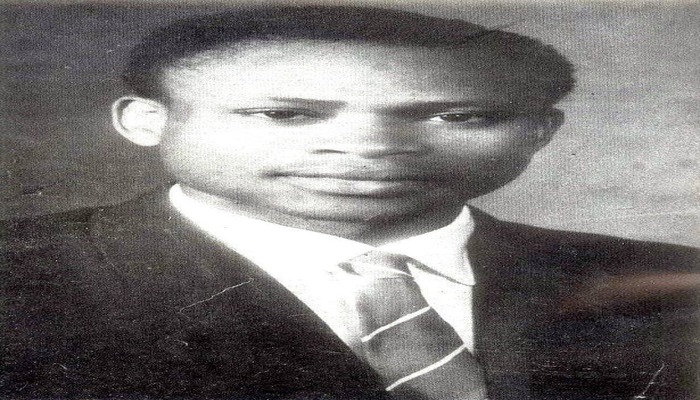
Isaac Jasper Adaka Boro
Niger Delta Revolutionary & Military Hero
1938 – 1968
Activist
Isaac Jasper Adaka Boro was born on September 10, 1938, in Oloibiri, present-day Bayelsa State — the same village where oil was first discovered in commercial quantities in Nigeria in 1956. His life and the fate of his land were thus intertwined with petroleum from the very beginning.
Boro was educated at the University of Nigeria, Nsukka, where he studied Chemistry and became deeply politicised by the injustice he witnessed against his people. Despite the enormous oil wealth flowing from Ijaw lands, the Niger Delta remained impoverished, neglected, and exploited. This contradiction fuelled his revolutionary instinct.
On February 23, 1966 — just six weeks after Nigeria's first military coup — Boro led a 159-man force called the Niger Delta Volunteer Force (NDVF) and declared the Niger Delta Republic, the first such declaration in post-independence Nigeria. The rebellion lasted only 12 days before federal troops crushed it. Boro and his men were captured, tried for treason, and sentenced to death.
However, following the July 1966 counter-coup, General Yakubu Gowon commuted his sentence and released him. Boro was reintegrated into the Nigerian Army and fought on the federal side during the Nigerian Civil War (1967–1970). He rose to the rank of Major.
On May 9, 1968, Major Isaac Boro was killed in battle in Rivers State under circumstances that remain disputed — some believe he was assassinated by those who feared his growing influence. He was 29 years old.
Today, Isaac Boro is revered as a prophet of Niger Delta liberation. Bayelsa State celebrates Boro Day in his honour, and his image adorns public buildings, streets, and the consciousness of every Ijaw person who believes their land deserves justice.